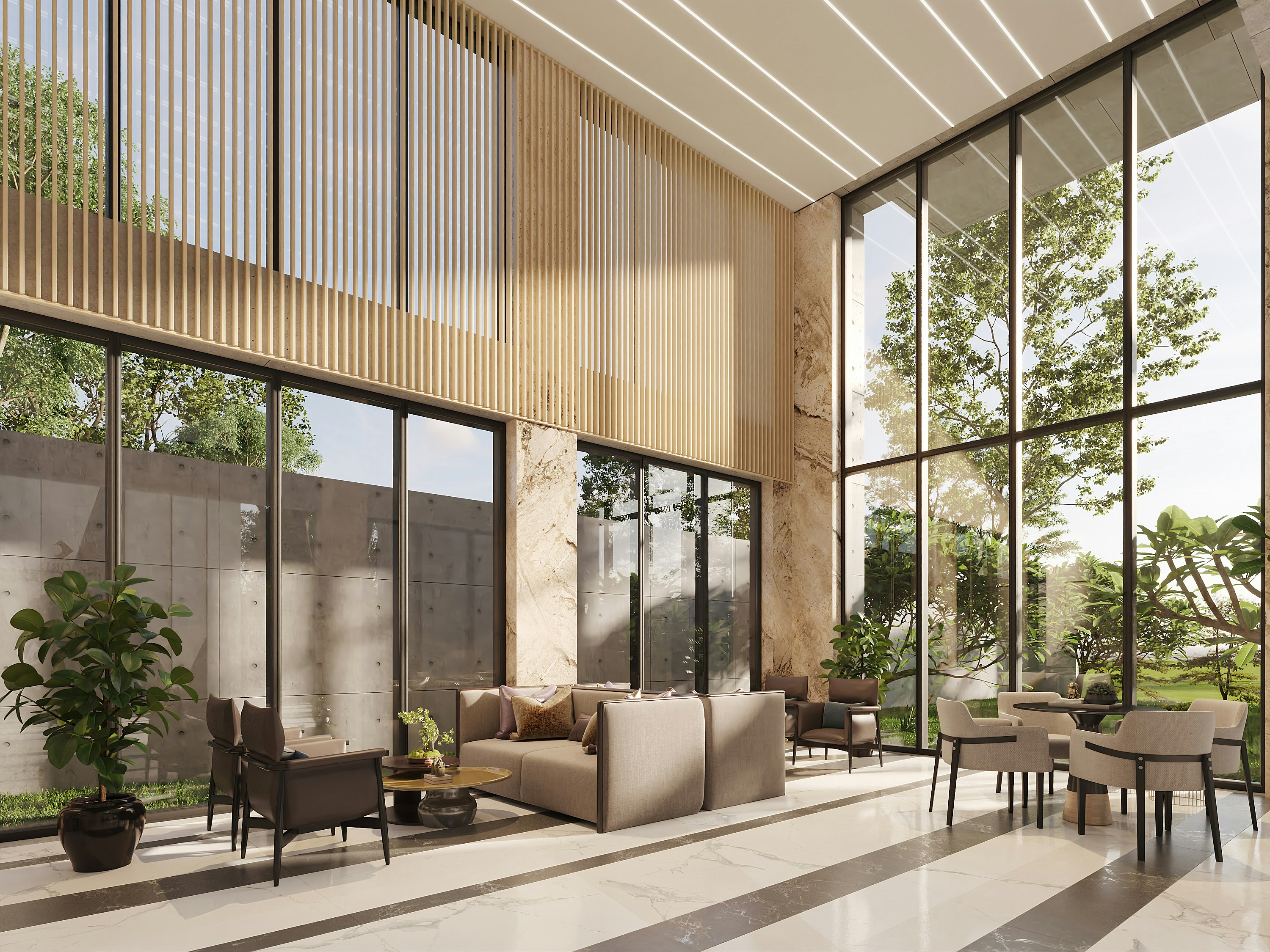
Biophilic Design for Commercial Spaces: Where Productivity Meets Well-Being
Science in Design® has established itself as the foremost authority on how neuroscience and design intersect to improve human health. As part of our work, we explore the effect of biophilic elements in commercial environments and how they become measurably more effective at supporting the people who work within them.
Consider this: employees spend more time in their workplace than anywhere except home, yet the majority of commercial buildings prioritize construction costs and operational efficiency over human biology. The result is typically sealed environments with artificial lighting, recycled air, and zero connection to the natural world our bodies evolved to need.
The business case for change is undeniable. Organizations investing in biophilically designed workspaces see 15% gains in employee well-being and creativity and 6% increases in workplace productivity—more when live plants are introduced to the environment. Employees also report fewer headaches, eyestrain, and tiredness, all outcomes that directly impact profitability. The line is clear: biophilic design in commercial spaces has a great, positive impact on productivity and employee satisfaction.
The Commercial Imperative
The modern workplace faces growing challenges that impede productivity:
- Screen fatigue: Employees spend 7+ hours daily on digital devices, leading to cognitive exhaustion
- Sedentary behavior: Sitting for extended periods impacts workers’ physical and mental health
- Artificial environments: Sealed buildings with artificial light and recycled air that disconnect workers from natural rhythms
- Stress and burnout: 83% of U.S. workers suffer
from work-related stress
Biophilic design addresses these challenges by reconnecting commercial spaces to the natural elements humans evolved to need, creating environments where people are able to thrive.
Core Strategies for Commercial Biophilic Design
Prioritize Daylight Access and Views
Biophilic Patterns: Dynamic & Diffuse Light, Visual Connection with Nature, Connection with Natural Systems
Access to natural light and views are highly desired workplace features among employees, yet it’s often sacrificed in conventional office planning. Windows become private offices for executives while the majority of workers sit in interior cubicles under fluorescent lighting. This arrangement ignores human biology and business outcomes.
Employees with window views and natural light report 48% less eyestrain, are 6.5-fold more likely to report satisfaction, and a 77% reduction in feelings of depression, a condition that reduces cognitive performance by 35%.
Implementation strategies:
- Design open floor plans that allow daylight to penetrate deep into spaces
- Position workstations near windows rather than reserving window access for enclosed offices
- Use glass-fronted conference rooms and low-height partitions to maintain sight lines
- Install clerestory windows or skylights in interior zones
- Choose window treatments that diffuse rather than block light
Integrate Living Systems Throughout
Biophilic Patterns: Visual Connection with Nature, Non-Rhythmic Sensory Stimuli, Presence of Water
Plants in commercial spaces do more than look attractive; they improve air quality, reduce ambient noise, and provide the visual connection to living systems that our biology craves. A study of commercial offices found that introducing plants led to a 15% increase in creativity and overall improvement in worker well-being, productivity and performance. Source?
Living walls make particularly strong statements in lobbies, reception areas, and collaborative zones. They transform vertical surfaces into living artworks that change with seasons and growth patterns. Water features in atriums or reception areas provide ambient sound that masks distracting office noise while creating calming acoustic environments.
Strategic applications:
- Workstations: Individual desk plants provide personal connection to nature
- Collaboration zones: Larger planters define spaces and improve acoustics
- Circulation paths: Line corridors with plants to make necessary travel more restorative
- Reception areas: Living walls or substantial plantings create memorable first impressions
- Break rooms: Herb gardens or edible plants connect employees to food sources
Specify Natural Materials at Human Touch Points
Biophilic Patterns: Material Connection with Nature, Non-Visual Connection with Nature, Complexity & Order In commercial spaces traditionally dominated by synthetic materials, natural elements become even more important. Wood, stone, leather, and natural fibers engage our haptic senses and create psychological comfort that synthetic substitutes cannot match. These materials also age gracefully, developing patina rather than simply deteriorating, which is a quality that aligns with sustainable design principles.
Bring in natural materials where people will interact with them most frequently. A wood reception desk creates a welcoming first impression. Stone in restroom vanities adds perceived quality. Natural fiber acoustic panels in conference rooms improve sound while maintaining biophilic connection.
Key applications:
- Wood accents: Reception desks, conference tables, architectural details, and exposed structural beams
- Stone surfaces: Reception counters, feature walls, restroom vanities, flooring in high-traffic areas
- Natural textiles: Acoustic panels in wool or natural fibers, upholstery in leather or linen, area rugs in jute or sisal
- Authentic finishes: Avoid synthetic “wood-look” materials; specify real materials with visible grain and natural variation
Create Varied Spatial Experiences
Biophilic Patterns: Prospect, Refuge, Mystery
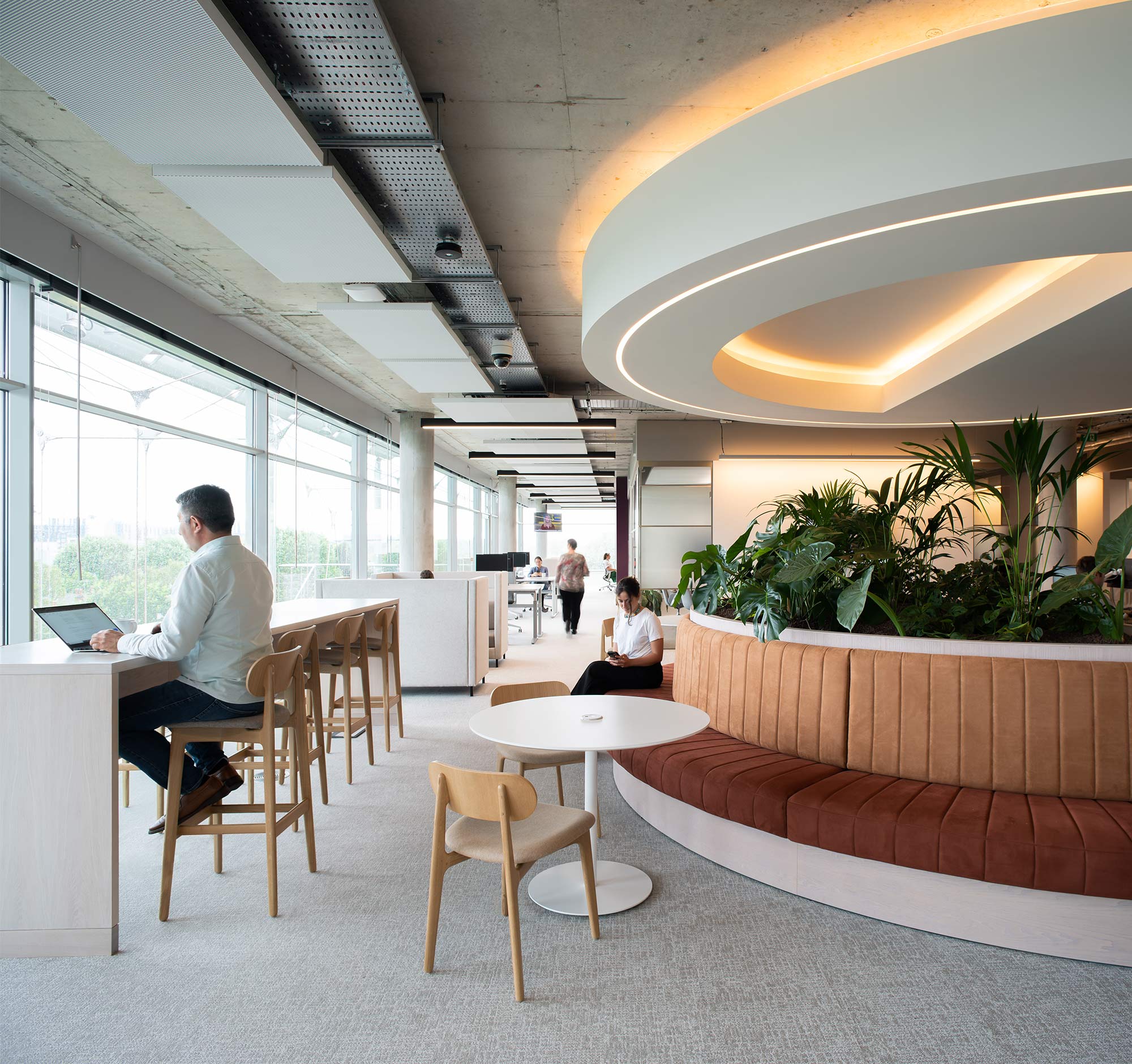
While well-intentioned, open office layouts often fail because they provide only one spatial experience: complete openness with no refuge. Humans need variety. We evolved to seek prospect (open views for surveillance) and refuge (protected spaces for focused work). The most effective workplaces offer both.
The solution is to provide a range of spaces that support different work modes and personality types. Extroverts may thrive in open collaborative areas, while introverts need quiet refuges. Everyone benefits from having choices about where and how they work.
Spatial variety to incorporate:
- Open collaboration zones with prospect views and natural light
- Enclosed focus rooms providing refuge for deep work
- Semi-enclosed booths or high-backed seating offering refuge within open spaces
- Varied ceiling heights creating psychological distinction between space types
- Curved pathways and partial screens introducing mystery and discovery
Design for Movement and Exploration
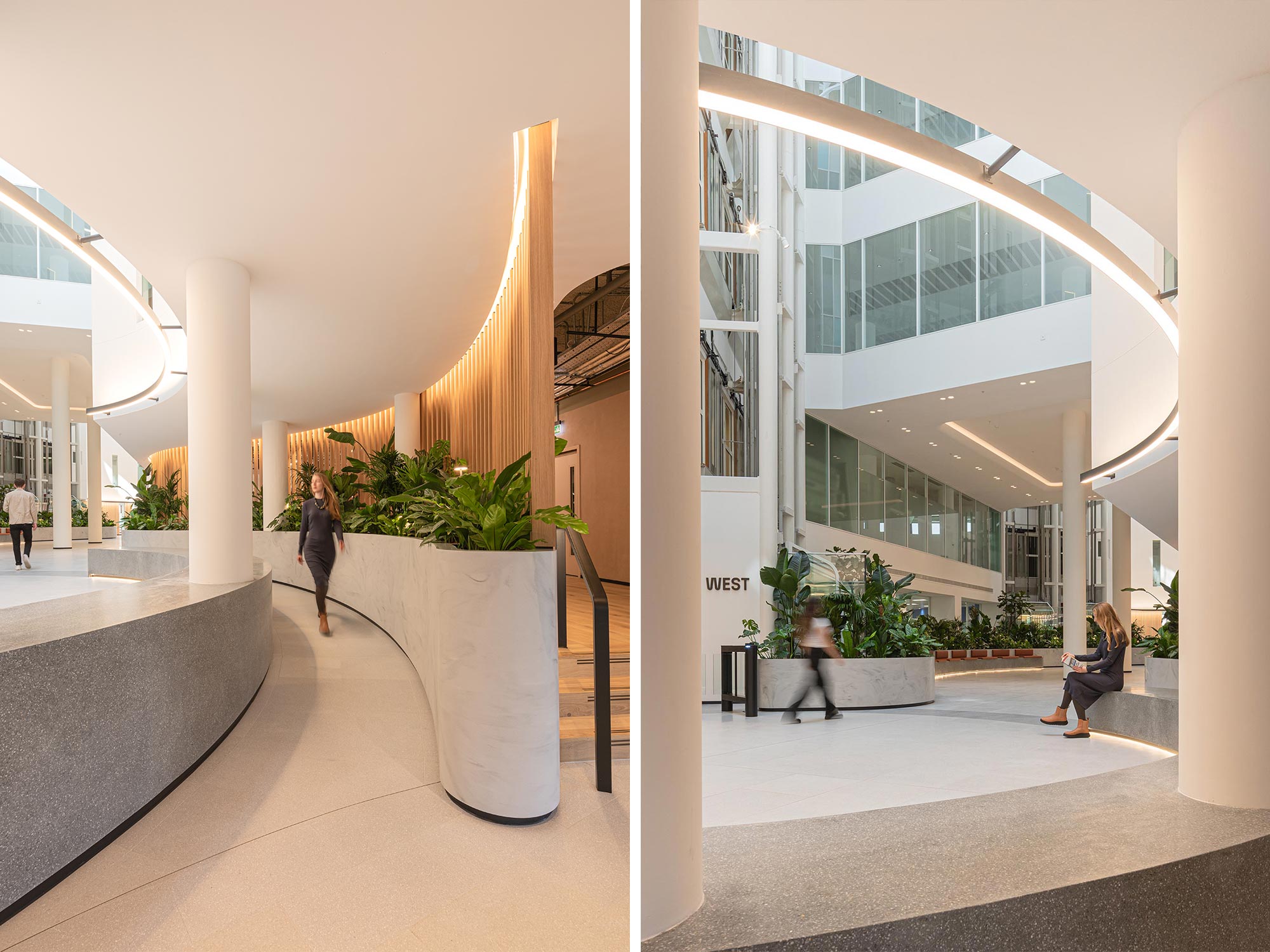
Biophilic design can encourage movement by creating destinations worth walking to: a café with garden views, a collaboration space with living walls, a quiet zone with water features. Curved pathways and mystery encourage exploration rather than the shortest route between points.
Stairs that are visible, well-lit, and attractive get used far more than hidden service stairs. Position them prominently and design them with natural light, views, and plants to make vertical circulation appealing.
Strategies to encourage movement:
- Design walking paths that pass by windows or planted areas
- Create multiple break-out spaces in different locations
- Make stairs attractive and visible rather than hiding them
- Position amenities like coffee, printers, and collaboration zones to require short walks
- Use changes in flooring material or ceiling height to signal transitions and create interest
Incorporate Biomorphic Forms and Patterns
Biophilic Patterns: Biomorphic Forms & Patterns, Complexity & Order
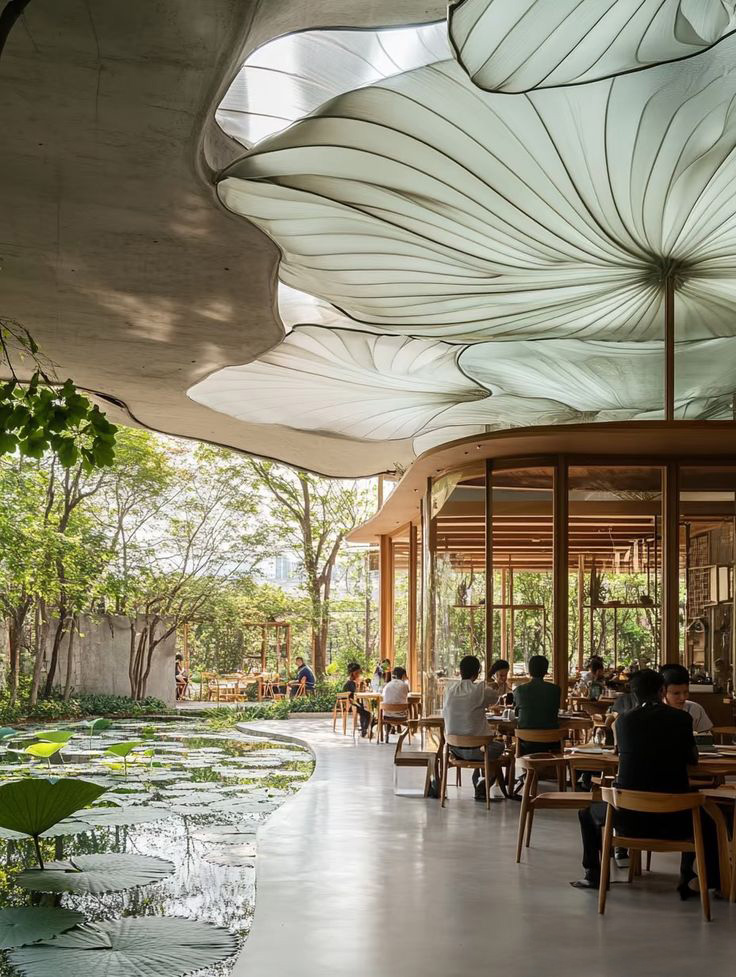
Commercial spaces often default to rectilinear geometry as it’s efficient to build and furnish, but this geometry is foreign to human evolutionary experience. Introducing organic forms and fractal patterns creates spaces that feel more comfortable at a subconscious level.
This doesn’t require abandoning all straight lines; rather, softening hard edges with curved furniture, organic shapes in artwork and fixtures, and fractal patterns in textiles and finishes all help create an environment that supports our bodies’ natural desires and needs.
Applications of biomorphic design:
- Curved reception desks and collaboration tables
- Organic-shaped lighting fixtures
- Botanical patterns in acoustic panels or wallcoverings
- Artwork featuring fractal patterns from nature
- Column wraps or architectural elements with tree-like branching
Address Acoustics with Natural Solutions
Biophilic Patterns: Non-Visual Connection with Nature, Presence of Water
Acoustic comfort is critical in commercial spaces, particularly open offices. Rather than relying solely on synthetic acoustic panels, biophilic design offers natural solutions that address sound while providing additional benefits.
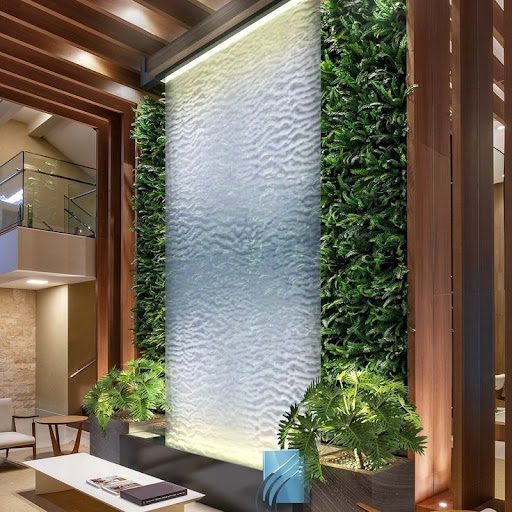
Living walls absorb sound while improving air quality and providing a visual connection to nature. Water features create pleasant ambient sound that masks distracting conversations without blocking important communication. Natural fiber acoustic panels made of materials like wool, cork, or wood perform as well as synthetic alternatives while maintaining a biophilic connection.
Natural acoustic strategies:
- Living walls in high-traffic areas
- Water features in atriums or reception areas
- Natural fiber acoustic panels in open work areas
- Strategic plant placement to absorb and diffuse sound
- Wood slat ceilings that manage acoustics while displaying natural material
Connect to Outdoor Spaces
Biophilic Patterns: Visual Connection with Nature, Connection with Natural Systems, Thermal & Airflow Variability
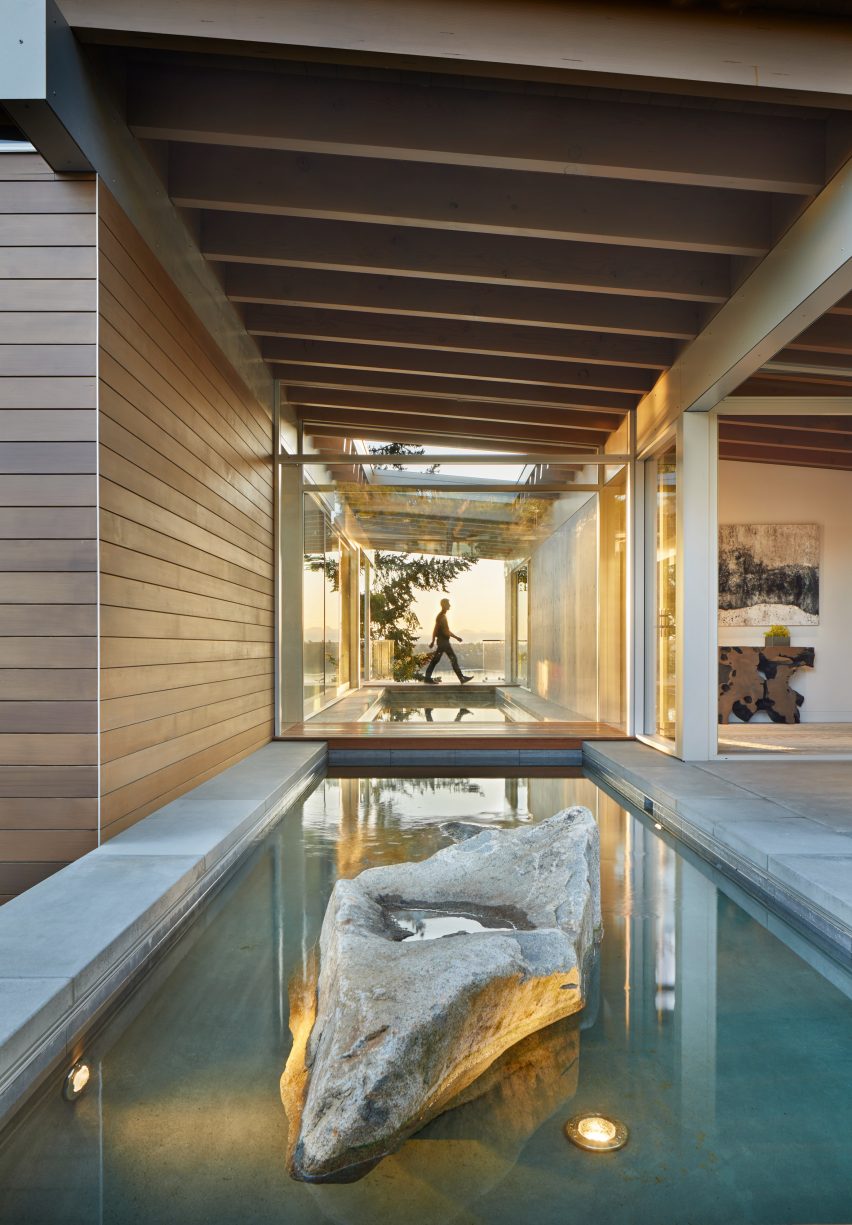
The boundary between indoors and outdoors shouldn’t be absolute. Operable windows, outdoor terraces, and rooftop gardens extend the workplace into nature. Even in climates where outdoor access is limited seasonally, the option to connect with outdoor air and natural ventilation provides psychological and physiological benefits.
Views to outdoor landscaped areas maintain connection to natural systems even when employees can’t go outside. Seeing weather changes, seasonal shifts, and natural light patterns keeps workers connected to the larger rhythms of the natural world.
Indoor-outdoor connections:
- Operable windows where building systems allow
- Outdoor terraces or balconies for breaks and informal meetings
- Rooftop gardens accessible to employees
- Ground-floor spaces that open to courtyards or gardens
- Large-scale glazing that frames outdoor landscapes
Commercial Space Applications by Type
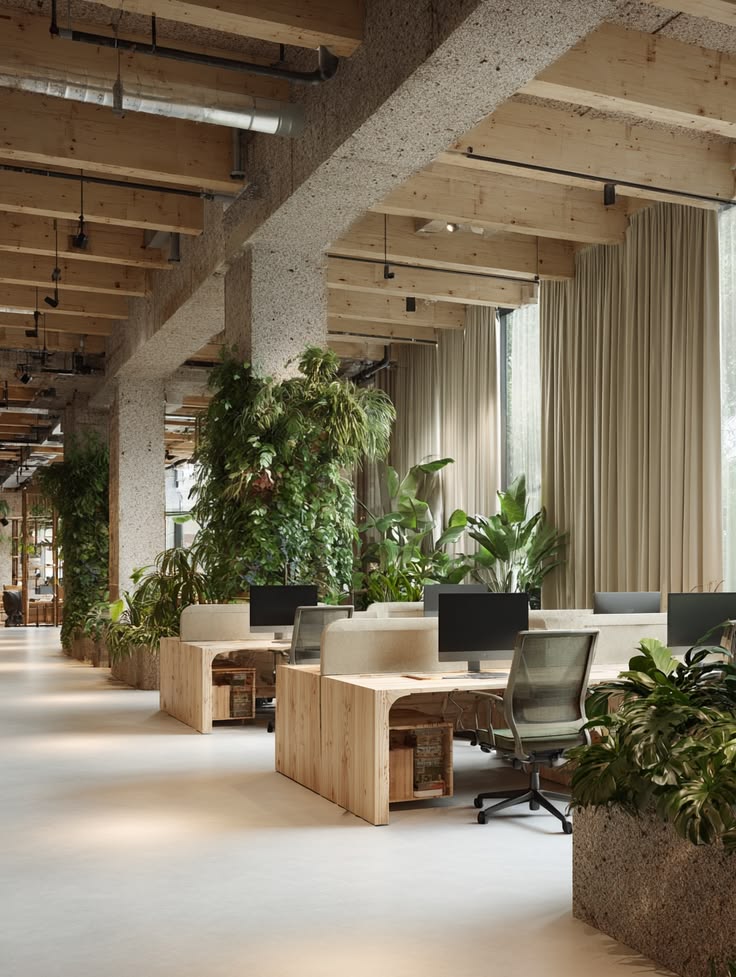
Corporate Offices: Balancing Productivity and Well-Being
Primary Patterns: Dynamic & Diffuse Light, Prospect, Refuge, Visual Connection with Nature
Corporate offices face the challenge of supporting diverse work modes, including focused individual work, collaborative projects, informal conversations, and formal meetings, all while maintaining employee well-being and productivity. The key is creating spatial variety that gives employees choice about where and how they work.
Position individual workstations to maximize daylight and views. Use low-height partitions or benching systems that maintain visual connection across the office while providing some acoustic separation. Create a spectrum of spaces from fully open (high prospect) to fully enclosed (high refuge), allowing employees to match their environment to their task and personality.
Essential elements:
- Maximize daylight access across the floor plate, not just at the perimeter
- Provide both open collaboration areas (prospect) and enclosed focus rooms (refuge)
- Integrate substantial plants throughout—at workstations, in circulation paths, in break areas
- Use natural materials at touch points (wood desks, natural fiber acoustic panels, stone accents)
- Create varied ceiling heights and spatial experiences to reduce monotony
- Position break areas and collaboration zones near windows with garden views
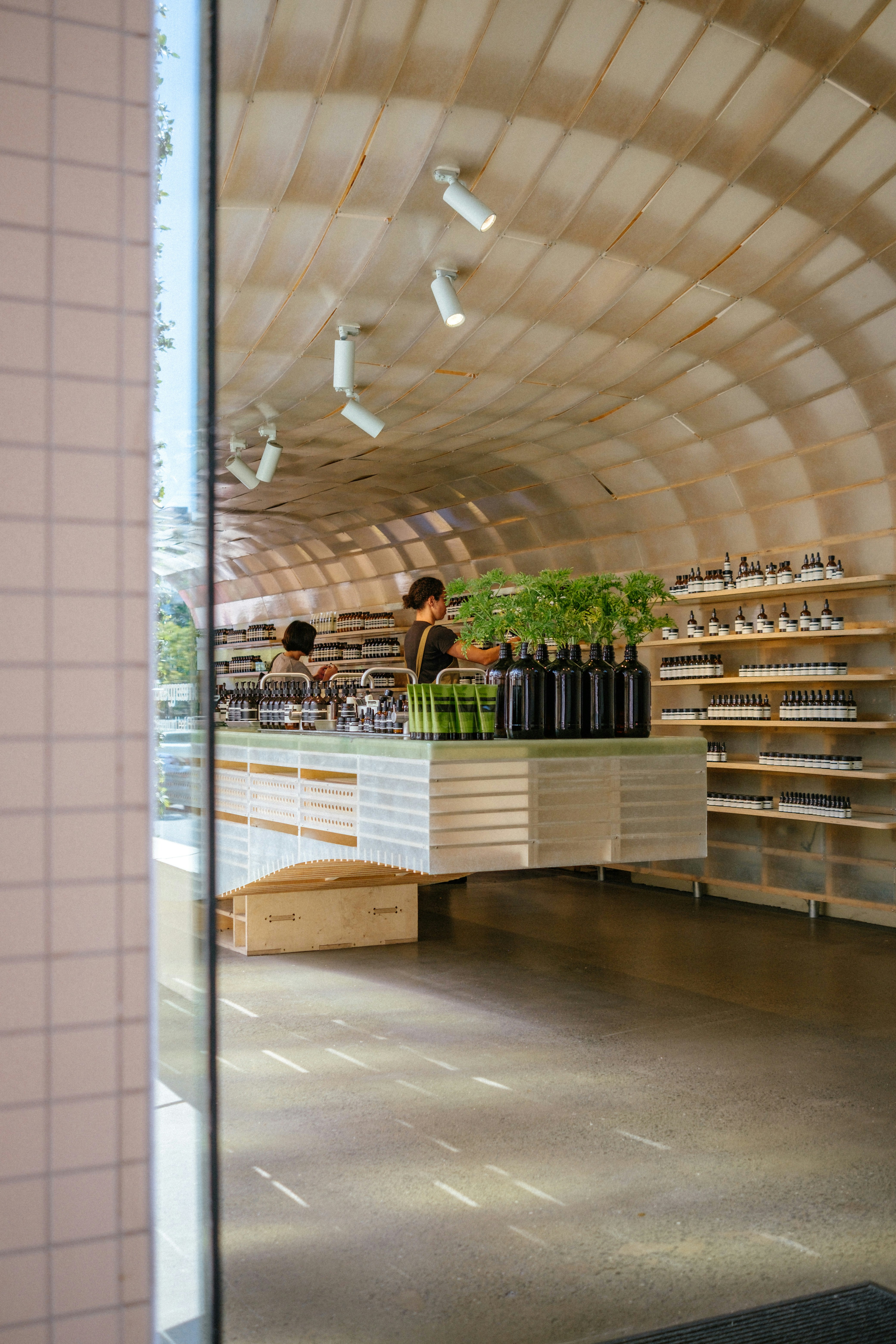
Retail Environments: Creating Destinations
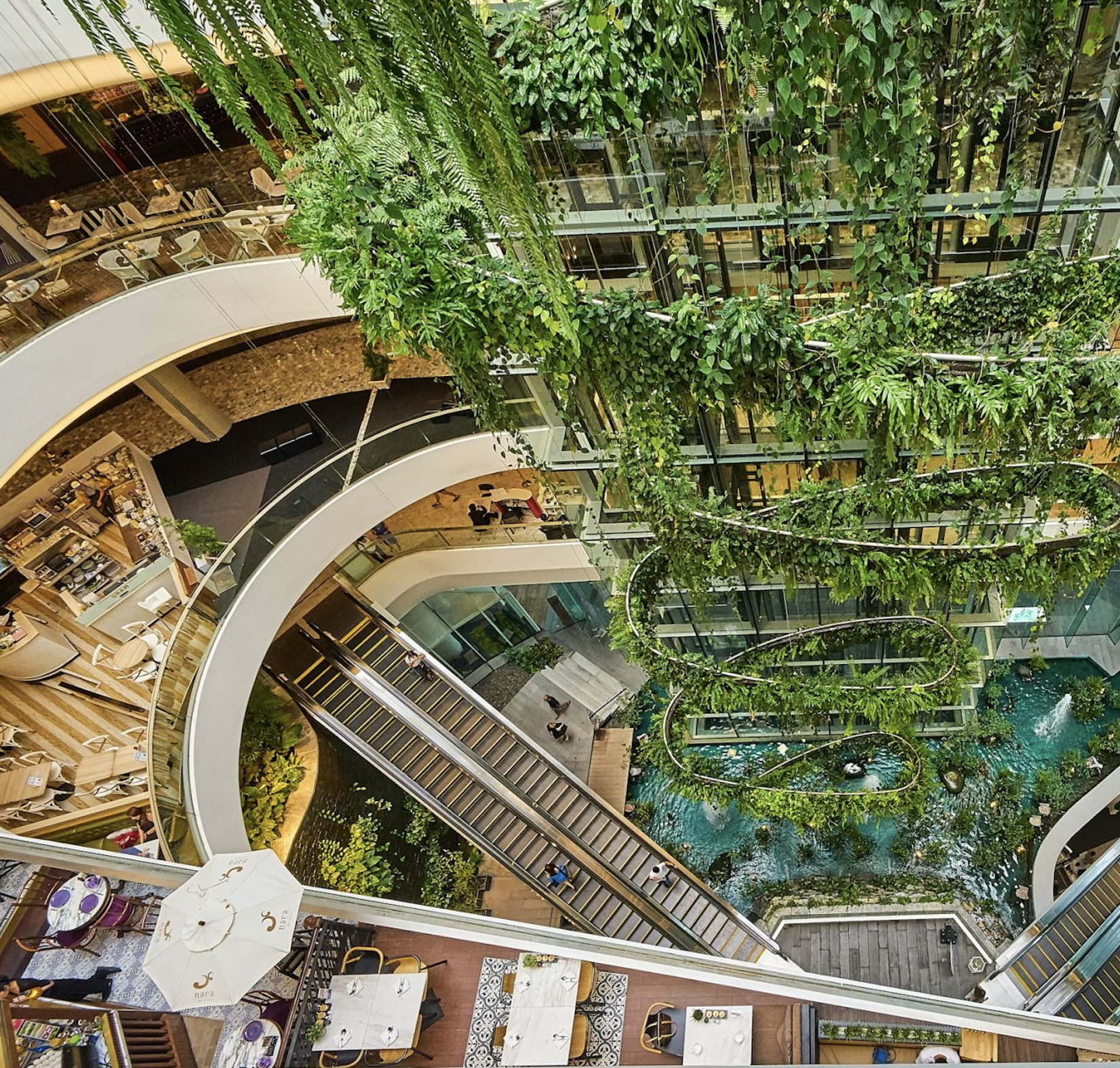
Primary Patterns: Visual Connection with Nature, Biomorphic Forms & Patterns, Mystery, Presence of Water. Retail spaces compete for customers’ time and attention in an increasingly digital marketplace. Biophilic design transforms retail environments from purely transactional spaces into destinations people want to visit. Natural light, plants, and water features create memorable experiences that online shopping cannot replicate.
Curved pathways encourage exploration of the entire space rather than quick in-and-out visits. Living walls become Instagram-worthy backdrops that generate social media exposure. Natural materials signal quality and authenticity, supporting premium positioning.
Key strategies:
- Use living walls or substantial plantings as focal points and wayfinding elements
- Incorporate natural materials (wood fixtures, stone flooring) to signal quality
- Create varied lighting zones using daylight where possible
- Design curved pathways that encourage exploration
- Add water features in atriums or near entrances
- Use biomorphic forms in fixtures and displays to soften commercial hardness
Prospect and Refuge: Ancient Safety, Modern Comfort
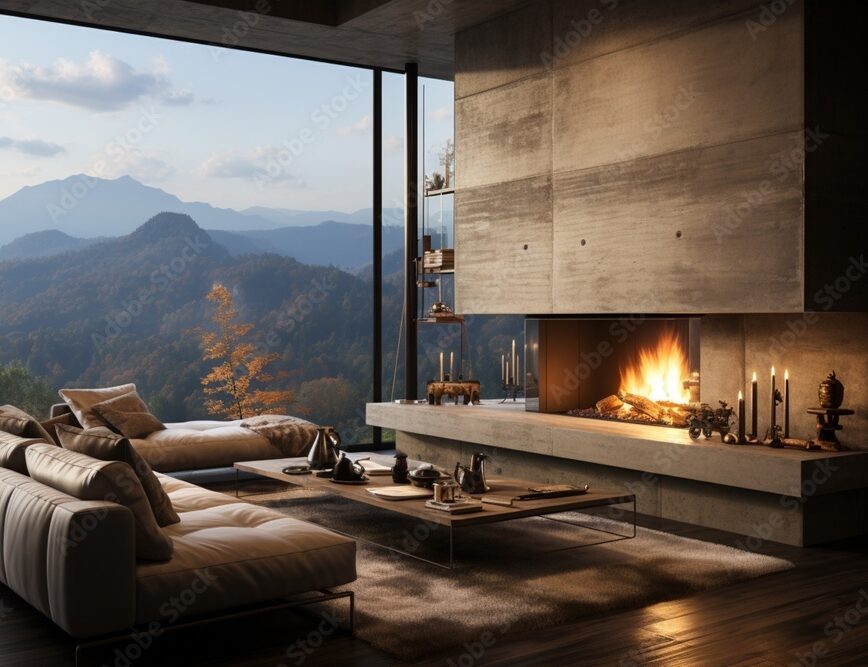
Picture 100,000 years ago: a cave with fire at the entrance keeping predators away. You’re safe in your refuge but have a clear view outside, a prospect of the landscape. This pattern is embedded in our neurobiology.
We see it in successful modern design: window seats with enclosure, booth seating, reading nooks with views, and anchored office positions with sight lines. This element of spatial design reduces stress by satisfying our ancient survival needs for security through visual connection and safety through stimulation.
Healthcare and Corporate Leadership
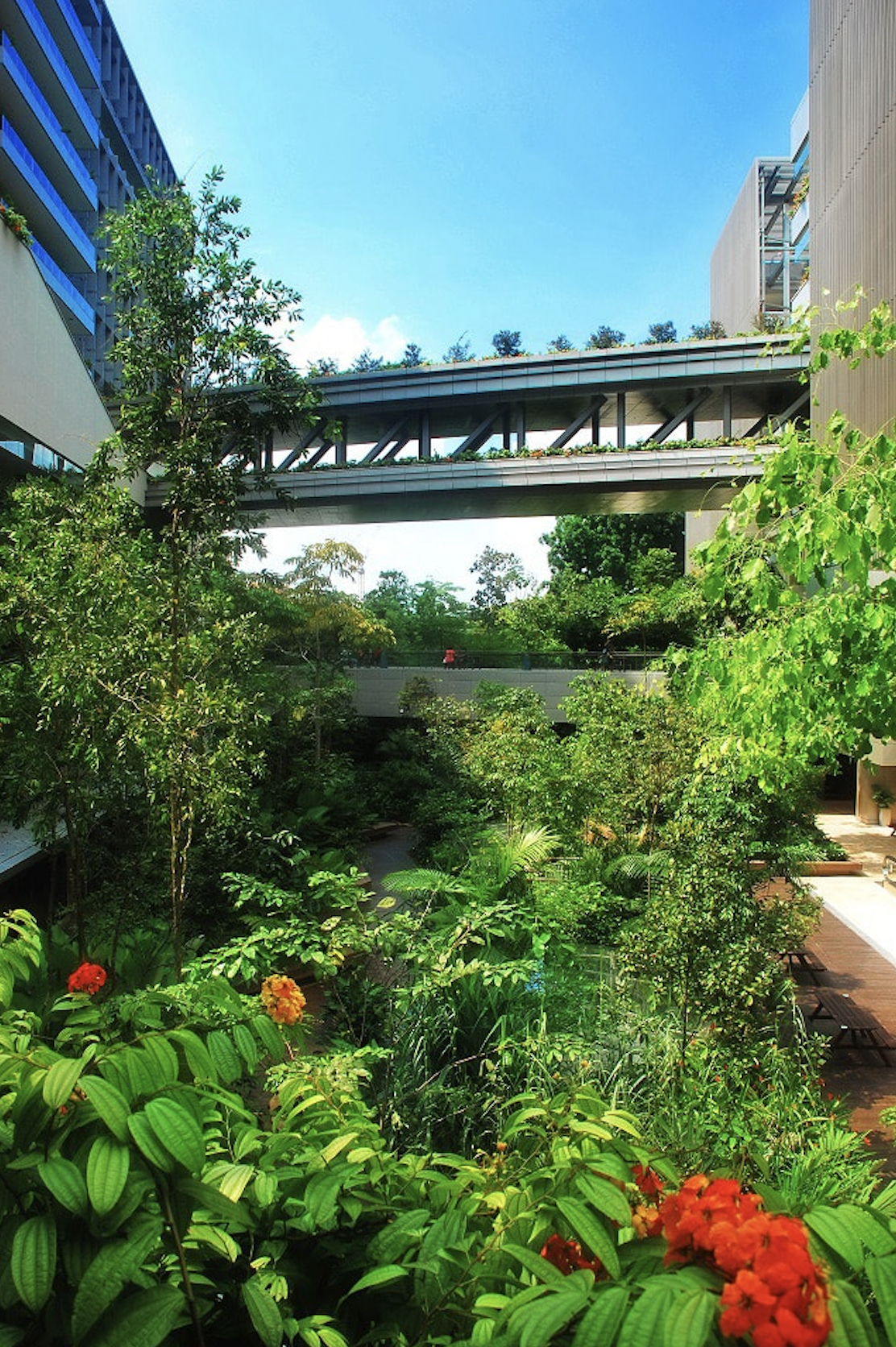
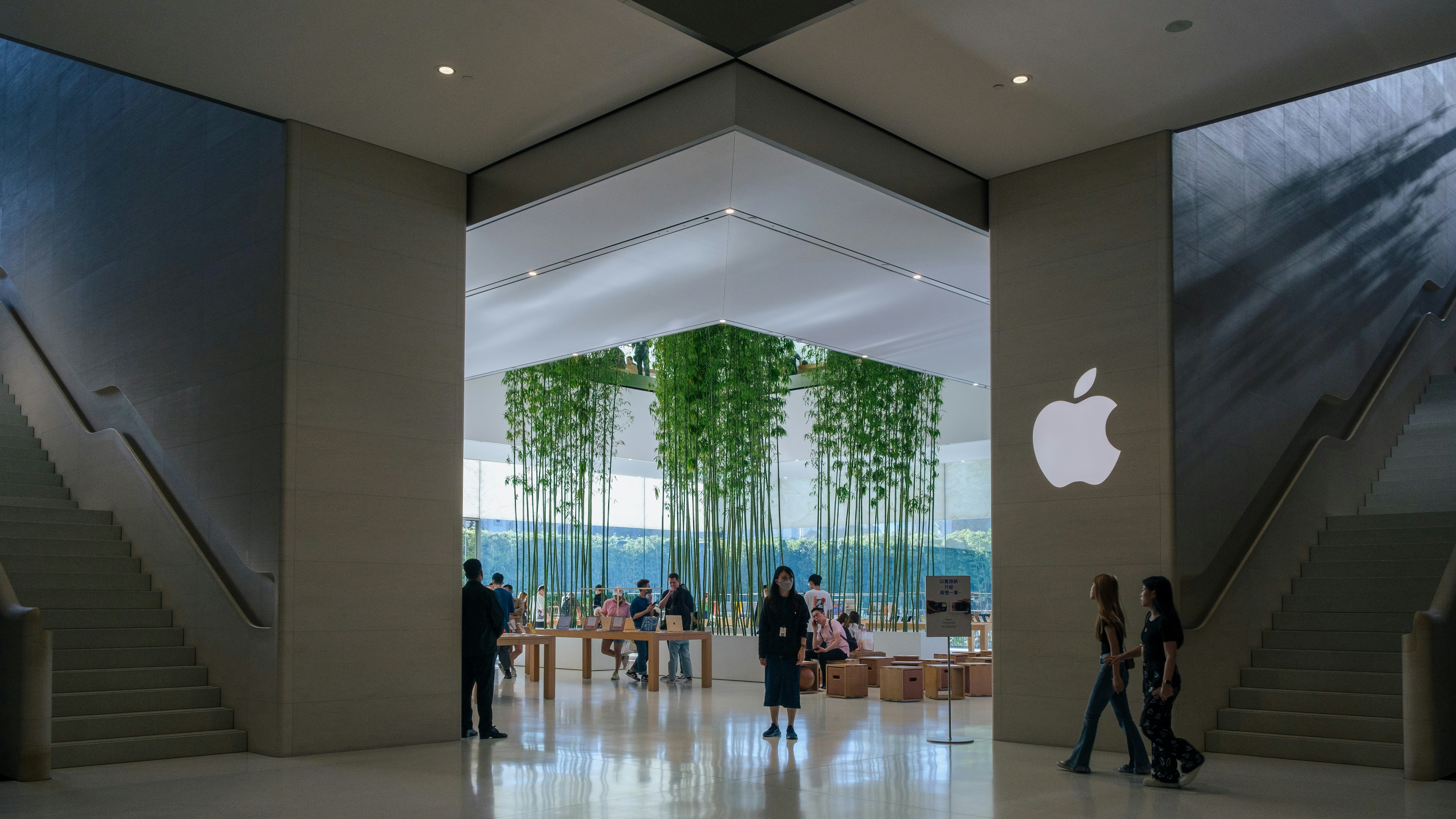
Khoo Teck Puat Hospital in Singapore is the global standard in biophilic design.
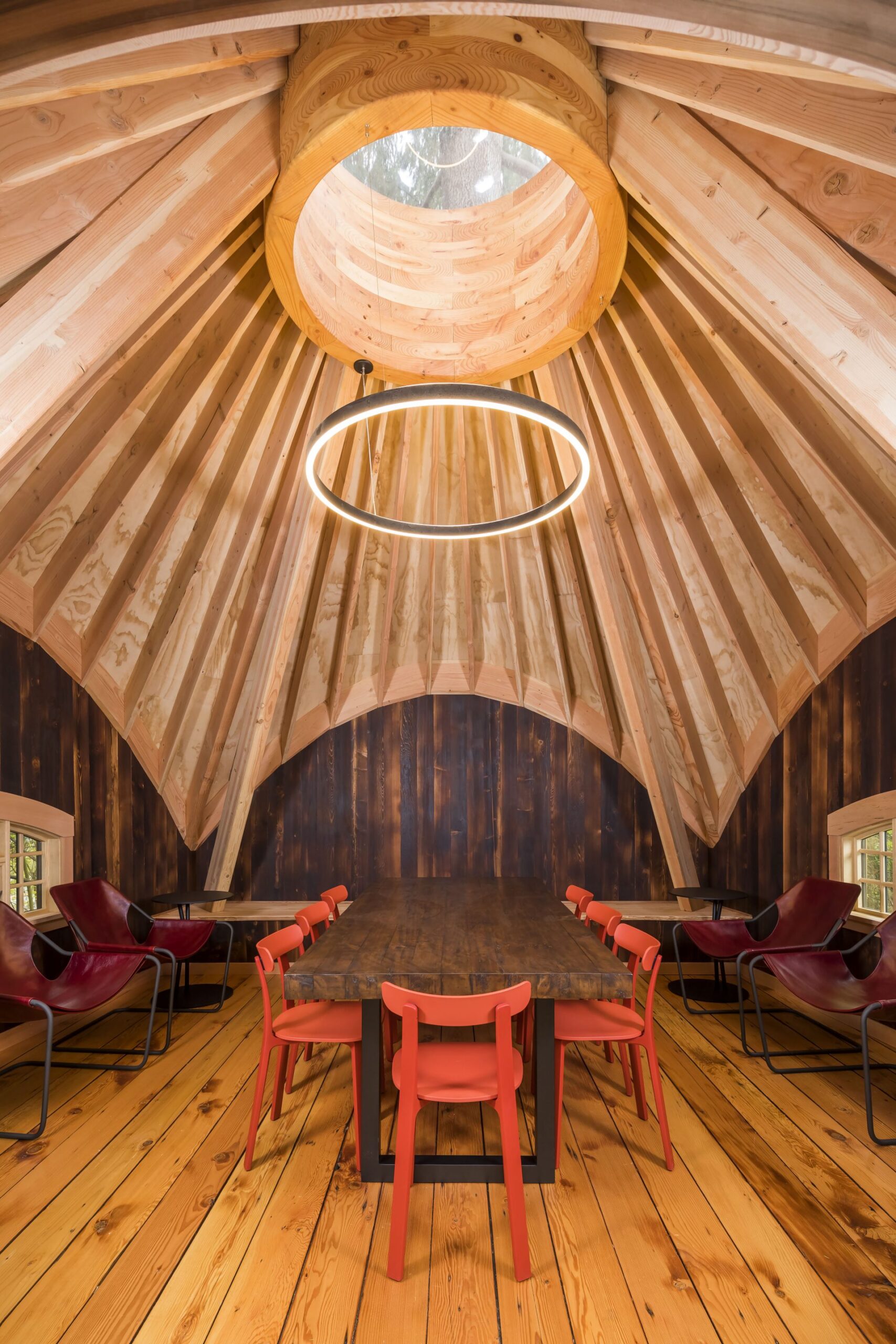
Microsoft builds conference rooms in treetops.
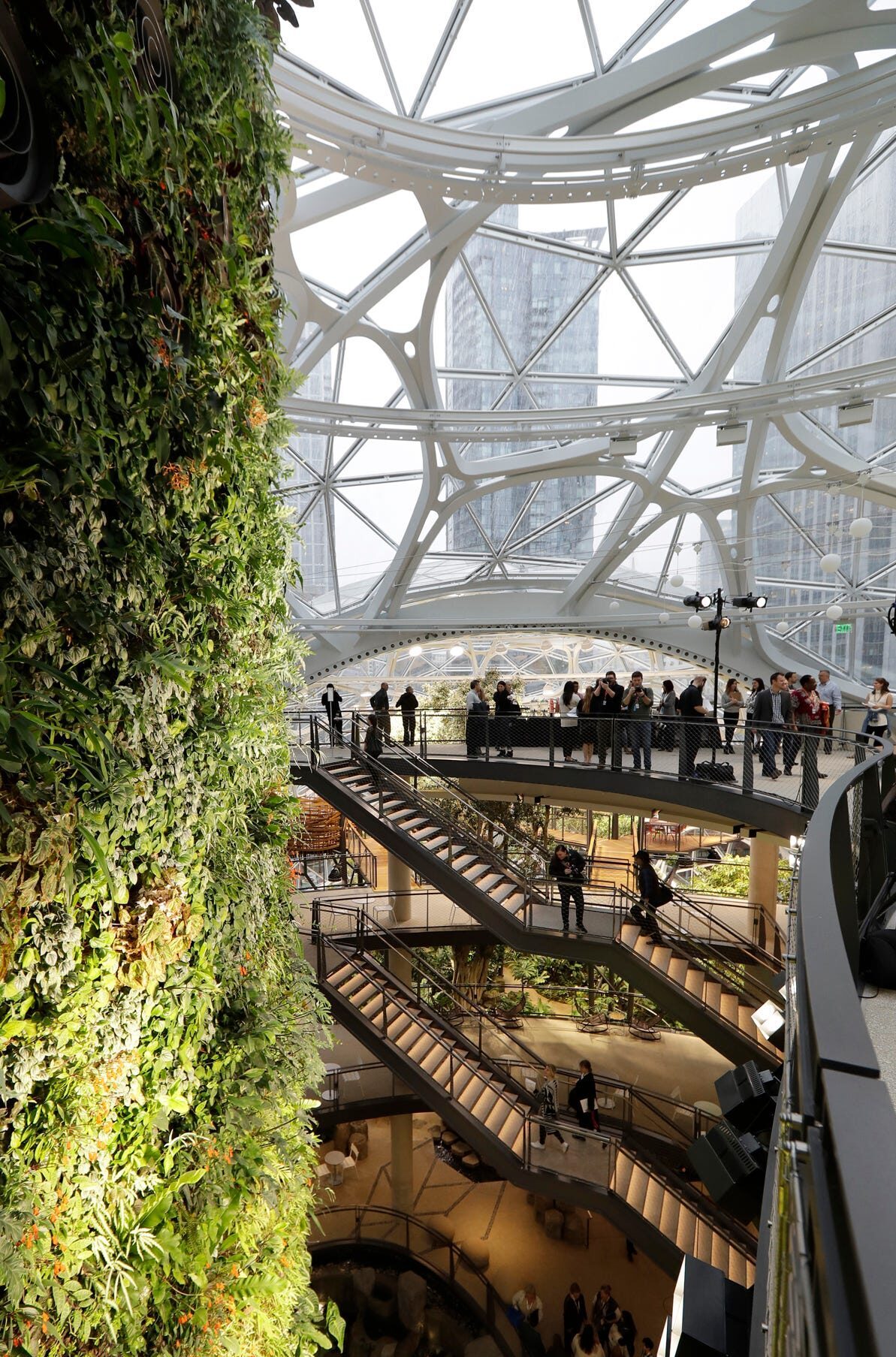
Amazon’s headquarters features 390 plant species and nest-like conference rooms.
These are strategic investments: environments with natural patterns measurably improve cognitive function, reduce stress, and enhance creativity.
If medical and corporate leaders use these principles, shouldn’t all designers?
Validation and Transformation
Designers have always known their work makes people feel better. You’ve heard it from clients: “I love this room. I feel so good here.” Science now documents why. We have research demonstrating that beauty- and nature-inspired design improve health as reliably as medical interventions.
This knowledge validates your intuition and allows you to transform the way you approach projects, communicate with clients, and position your value. You’re not just creating beautiful spaces, you’re creating alternative health resources. You’re improving cardiovascular health, supporting brain function, reducing stress, and enhancing cognition. That’s a serious value proposition!
The question isn’t whether these principles work; the evidence is overwhelming. The question is: How quickly will you adopt them to distinguish your practice? Early adopters are repositioning their brands and leading the transformation of our industry today.
The unconscious mind is always responding, always registering whether an environment supports well-being. Now you have the knowledge to design for the brain you can’t see, and create spaces that measurably improve lives.
Ready to Lead the Movement?

The Science in Design® Certification Program provides the complete framework to implement these neuroscience-backed spatial design principles. Learn from professors at Harvard, Johns Hopkins, and University of Pennsylvania.