
Lighting Design For Wellness: How to Create Health-Focused Interiors
Humans spend approximately 90% of our lives indoors, under artificial lighting. Every bulb, fixture, and window treatment you choose is actively influencing your stress levels, sleep quality, cognitive function, and overall health. The difference between a well-lit space and a poorly lit one can be measured in cortisol levels, heart rate variability, and cellular response. This isn’t design theory; it’s neuroscience. And it represents one of the most powerful tools in a designer’s arsenal.
Welcome to the intersection of lighting design and wellness, where beauty meets biology and aesthetics become a health intervention.
The Science Behind Light and Health

Neuroaesthetics and Light
Our brains are exquisitely sensitive to light. Through the emerging field of neuroaesthetics—the study of how beauty and design affect our neural pathways—scientists can now measure exactly what happens when we experience different aesthetic components, including lighting conditions. The right lighting helps us see better, and it also triggers measurable physiological changes: lowered heart rate, reduced blood pressure, decreased stress hormones like cortisol, and increased production of serotonin, the neurotransmitter associated with well-being and happiness.
Modern scanning technologies like fMRI reveal that specific lighting qualities activate distinct regions of the brain tied to emotion, memory, and stress regulation. For 99.99% of human history, we lived in nature. Because of that, when we encounter lighting that mimics natural patterns in today’s modern world, our bodies respond with a kind of biological recognition, a cellular sense of “rightness” that translates directly into improved health outcomes.

Circadian Rhythms and Biological Impact
Perhaps nowhere is lighting’s health impact more profound than in its effect on our circadian rhythms. This is our internal biological clock that regulates sleep, hormone production, and countless other physiological processes. Our bodies evolved to respond to the dynamic quality of natural daylight: cool, bright light in the morning signals alertness and focus; warm, dimming light in the evening cues our bodies to produce melatonin and prepare for restorative sleep.
When we disrupt these patterns with poor lighting like harsh fluorescents throughout the day and blue-rich screens at night, we pay a significant health cost. Studies link circadian disruption to increased rates of depression, obesity, cardiovascular disease, and even certain cancers. The quality of light in our spaces isn’t a luxury consideration; it’s a fundamental determinant of health.
This is where salutogenic design becomes essential. Salutogenic design is the practice of creating environments that actively cause health rather than simply preventing disease. Instead of simply avoiding harmful lighting choices, we can strategically select lights that generate wellness, supporting the body’s natural capacity for resilience and vitality.
As always, getting to know your client and how they move through their home throughout the day will inform how your lighting scheme can support their peak performance throughout the day. Science in Design Certified® and principal designer of Elan Design, Eryn Oruncak, speaks to using lighting as part of neuroaesthetic design in this Science in Design® webinar. Lighting also goes hand-in-hand with color psychology, ensuring that spaces nurture the mind and body throughout the day and night.
Want to join Eryn and 200+ other designers already applying neuroaesthetics to their design business?
Biophilic Lighting Principles
Nature’s Lighting Blueprint
Biophilia is our innate, genetically determined affinity for the natural world, and this love extends deeply into how we experience light. Consider where humans spent 99.99% of our evolutionary history: outdoors, under the sun, sheltered by tree canopies that created dappled patterns of light and shadow. Our visual systems became fluent in this natural language of light, and our bodies still crave it.

This is why natural daylight remains the gold standard for wellness-focused lighting design. Spaces flooded with natural light consistently show improved occupant health: patients in hospitals heal faster, students in schools perform better academically, and workers in offices report higher satisfaction and lower stress levels.
Key Biophilic Lighting Strategies
Incorporating biophilic principles into lighting design means:
- Maximizing natural daylight exposure through thoughtful window placement, skylights, and reflective surfaces that bounce daylight deeper into spaces
- Creating dynamic lighting that changes throughout the day, mimicking the natural progression from cool morning light to warm evening tones
- Using indirect and diffused lighting that echoes the gentle, filtered quality of sunlight through leaves
- Incorporating patterns of light and shadow that reference the fractal-like complexity of natural environments
The goal isn’t to replicate nature exactly—we can’t take tree branches and simply put them in a house—but to translate nature’s wisdom into the built environment in ways that honor our biological needs.
Ready to give your clients the science-backed design they want and need?
Color Theory and Wellness
The Psychology and Physiology of Color Temperature
Not all light is created equal, and color temperature has profound effects on the mind and body. Cool-toned light (4000K and above) with higher blue content increases alertness, sharpens focus, and can boost productivity. It’s the light of midday, signaling to our bodies that it’s time to be active and engaged.
Warm-toned light (2700K-3000K) with amber and red hues has the opposite effect: it promotes relaxation, encourages social connection, and supports the evening wind-down our bodies need for quality sleep. This is the light of sunset and firelight, and our physiology responds accordingly.
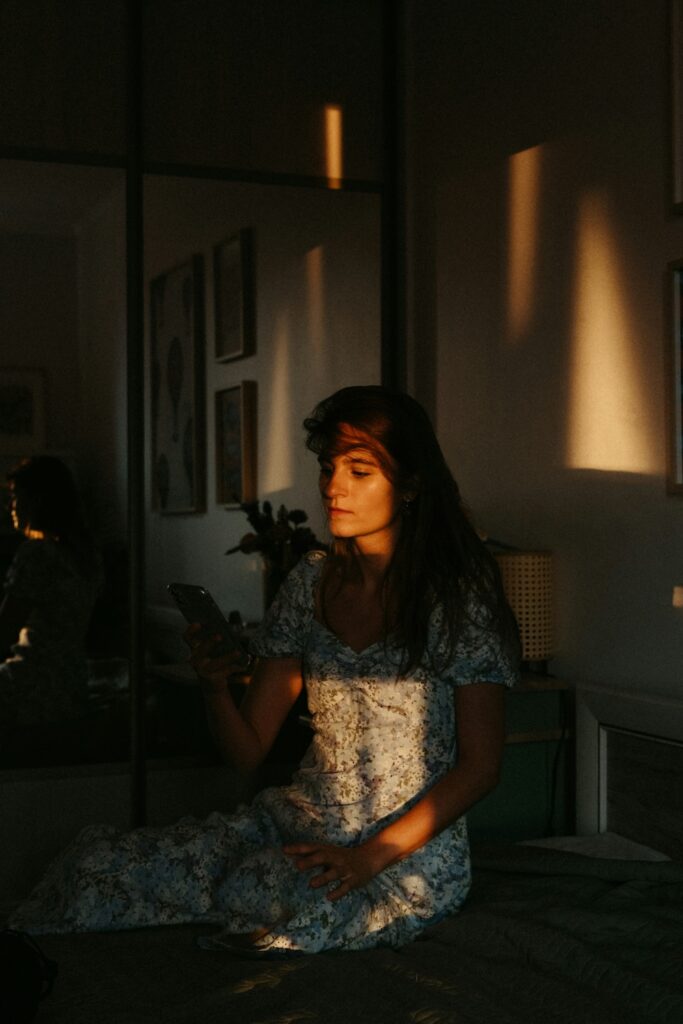
The challenge in modern spaces is that we’ve lost this natural rhythm, often bathing ourselves in cool, blue-rich light well into the evening hours (particularly through our screens), which suppresses melatonin production and disrupts sleep.
Wellness-focused lighting design must account for color temperature strategically, creating environments that support our natural biological patterns. And when you get it right, you and your clients will feel it.
Ready to understand “the feeling?”
Join 200+ other certified designers and get Science in DesignⓇ certified now.
Color Rendering and Visual Comfort
Beyond color temperature lies color rendering: how accurately a light source reveals the true colors of objects. High CRI (Color Rendering Index) lighting makes spaces look better, and it also reduces eye strain, improves visual comfort, and creates a sense of vitality that low-CRI fluorescents can never achieve.
This connects back to biophilia: in nature, we see colors in their full, rich complexity. When artificial lighting distorts colors, our visual system works harder to interpret what we’re seeing, leading to fatigue and discomfort. Quality lighting honors our biological need to see the world as evolution designed us to see it.
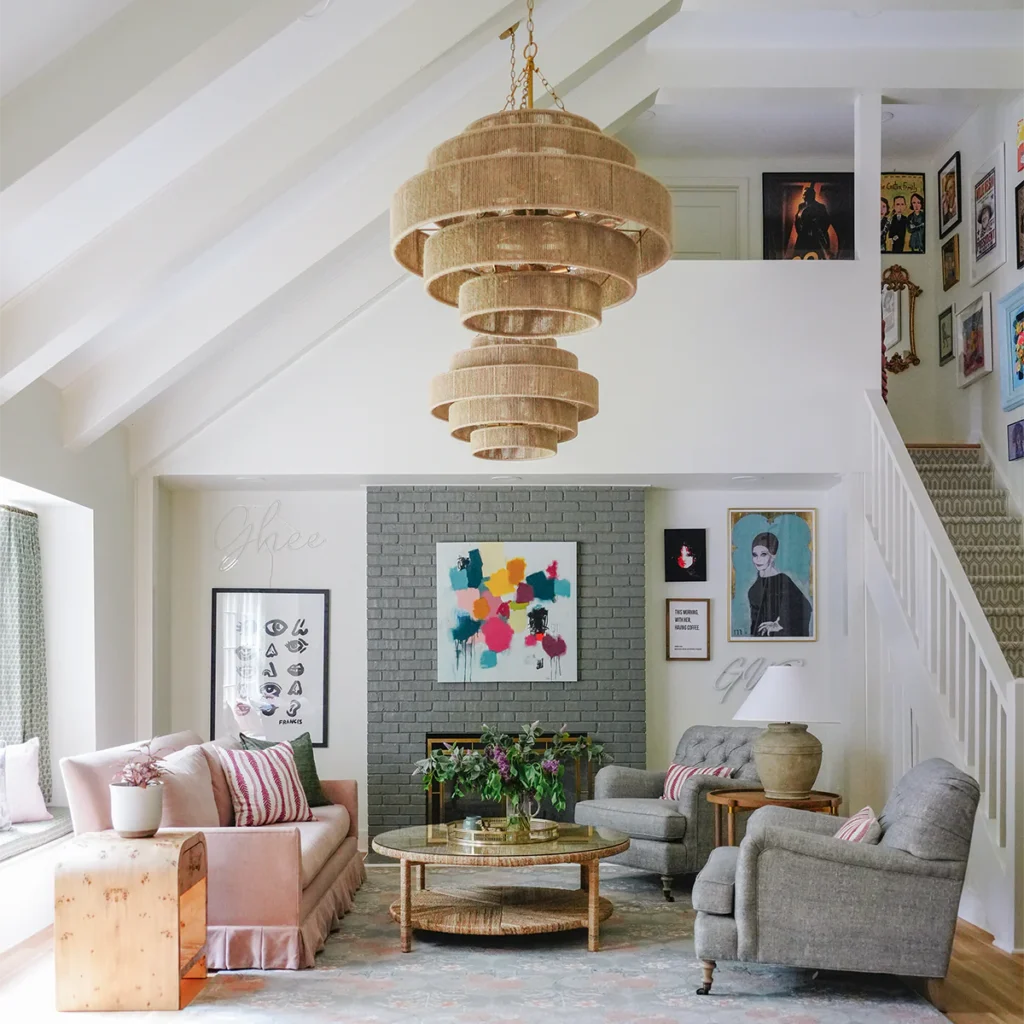
Photo credit: Crystorama Lighting
Practical Applications for Designers
Layered Lighting Approach
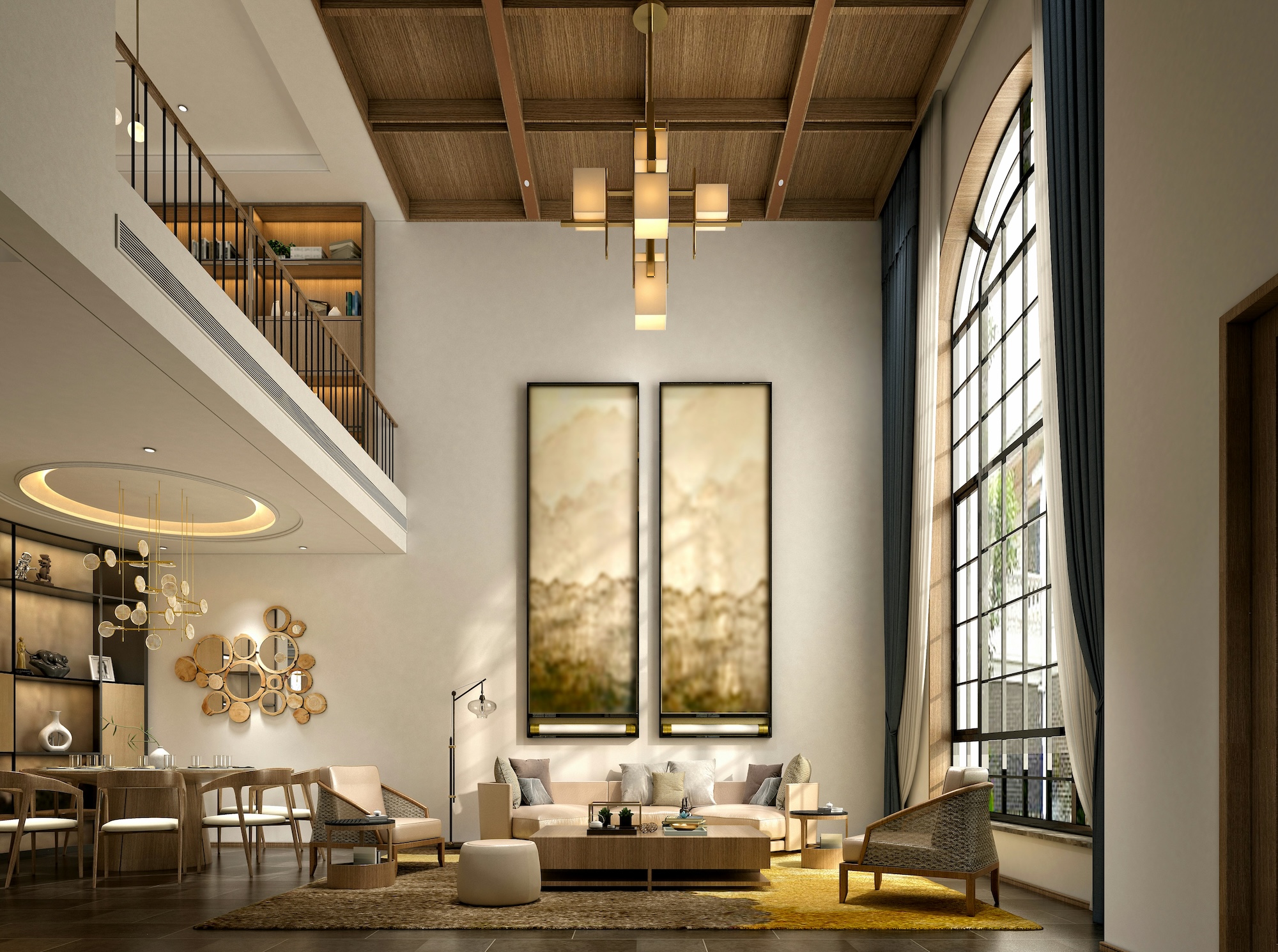
Creating wellness-focused lighting means moving beyond the single overhead fixture. Instead, layer your lighting:
- Ambient lighting provides overall illumination—ideally warm-toned and dimmable
- Task lighting offers focused light where needed for reading, cooking, or working
- Accent lighting adds depth, creates visual interest, and can highlight biophilic elements like plants or natural materials
User control is essential. Dimming capabilities allow occupants to adjust lighting to their needs and the time of day, supporting their natural circadian rhythms.
Room-by-Room Wellness Considerations
Different spaces demand different lighting strategies:
- Living spaces benefit from warm, layered lighting that can be adjusted for various activities—brighter for morning energy, softer for evening relaxation
- Workspaces need bright, cool-toned lighting during peak productivity hours, but avoid the excessive blue light that causes eye strain
- Bedrooms should prioritize warm, deeply dimmable lighting that supports melatonin production; banish blue-rich light in the hours before sleep
- Bathrooms deserve natural light whenever possible, supplemented with warm tones that flatter skin tones and don’t jar the senses during nighttime visits
Emerging Technologies
The future of wellness lighting is already here through tunable white systems that automatically adjust color temperature throughout the day, mimicking natural daylight patterns. These human-centric lighting solutions represent the cutting edge of evidence-based design, where technology serves our biological needs rather than working against them.
Smart lighting systems can now learn occupant preferences, respond to available daylight, and create personalized lighting “scenes” that support everything from focused work to restorative rest. By integrating lighting technologies like these in your designs now, you’ll be recognized as an early adopter of what we’re sure is the future of the design industry.
Stay on the cutting edge and get certified now.
Why Lighting Design For Health
& Wellness Matters Now
Lighting design is no longer just about aesthetics or visibility. With our ability to now measure human responses to lighting, it’s a scientifically validated health intervention. Every fixture you specify, every bulb you choose, every window treatment you install is either supporting or undermining the health of the people who inhabit those spaces. The physiological impacts are real and measurable: stress reduction, improved sleep, enhanced cognitive function, and elevated mood.
As design professionals, we have an extraordinary opportunity and responsibility to lead the industry toward design practices, including lighting design, that honor human biology. Just as we no longer use lead paint or asbestos, ignoring lighting’s health impact may one day be seen as design negligence.
The future of design is born in science. By becoming an early adopter of evidence-based, wellness-focused lighting strategies, you can differentiate your practices, deepen client trust, and create spaces that look beautiful and actively heal.
Your clients may not consciously notice great lighting design, but their bodies will thank you for it.

Want to dive deeper into the science behind design? The Science in Design® Certification Program offers 13 IDCEC-approved credits and teaches designers how to integrate neuroaesthetics, biophilia, and evidence-based strategies into their practice. Get certified now.